


Organic Chemistry Review for Pre-Med Students: Tips for Acing the Course




Organic chemistry is a reasoning course, not a memorization course. Students who learn the mechanisms behind the reactions and connect organic chemistry concepts to their biochemistry and MCAT preparation get significantly more value from the course than those who treat it as a list of reactions to memorize.
Organic chemistry…few subjects instill as much fear. There’s the labyrinthine nomenclatures, the perplexing stereochemistry, the aldehydes, the ethers, the carboxylic acids. The list goes on. But if you’re on the pre-med track, then you know this is a fear that must be faced. Because not only is organic chemistry a required course, it’s also on the MCAT. Which means you’re gonna want to learn it well the first time and be able to remember it.
At Sketchy we took this to heart. We asked ourselves: Could we make organic chemistry actually fun to study? Could we make it memorable? The answers: yes and yes! For all the details of our organic chemistry review course, check out our organic chemistry curriculum page here. Here, we’ll walk through some tips to help you get started.
Build that Foundation
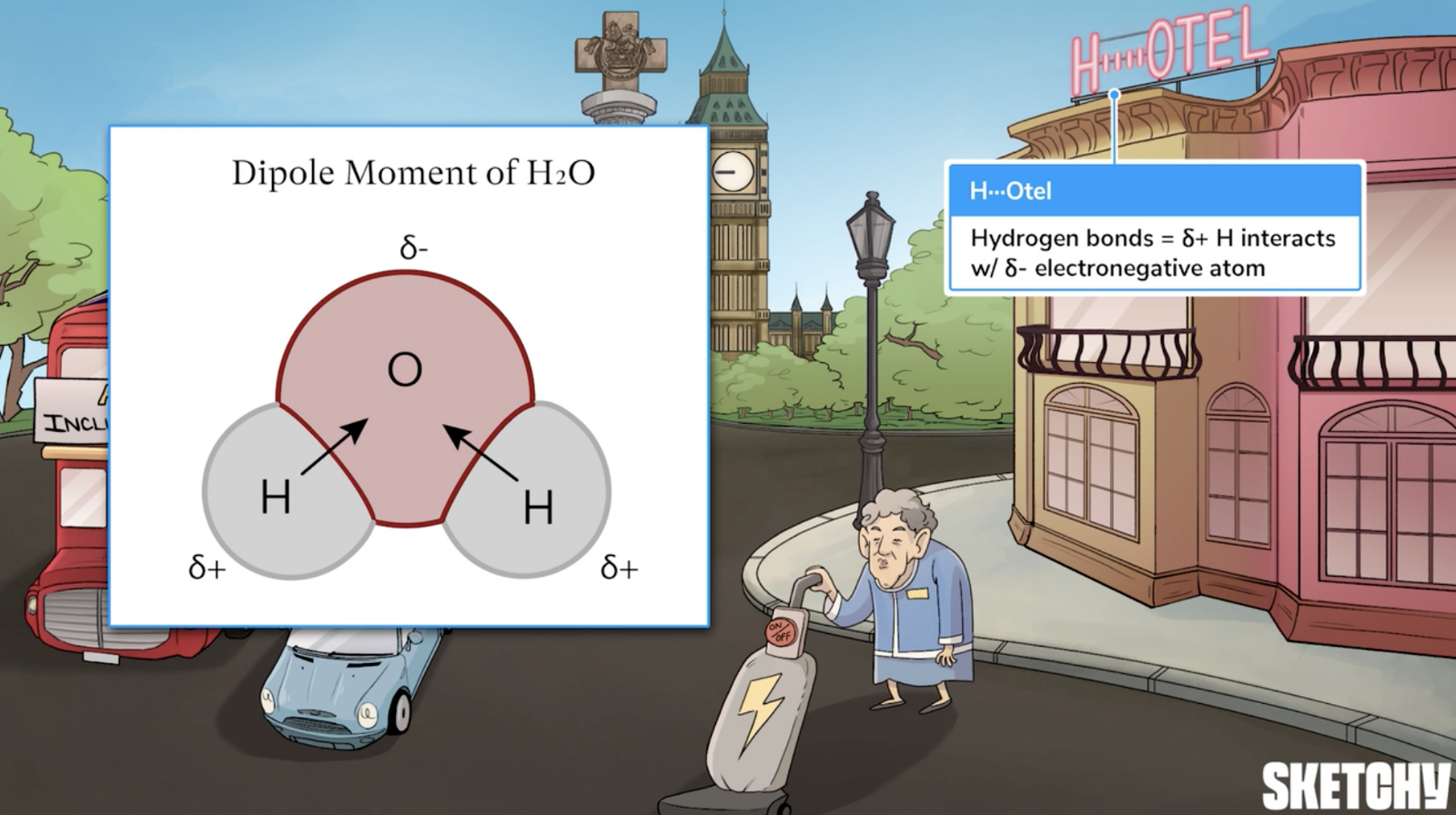
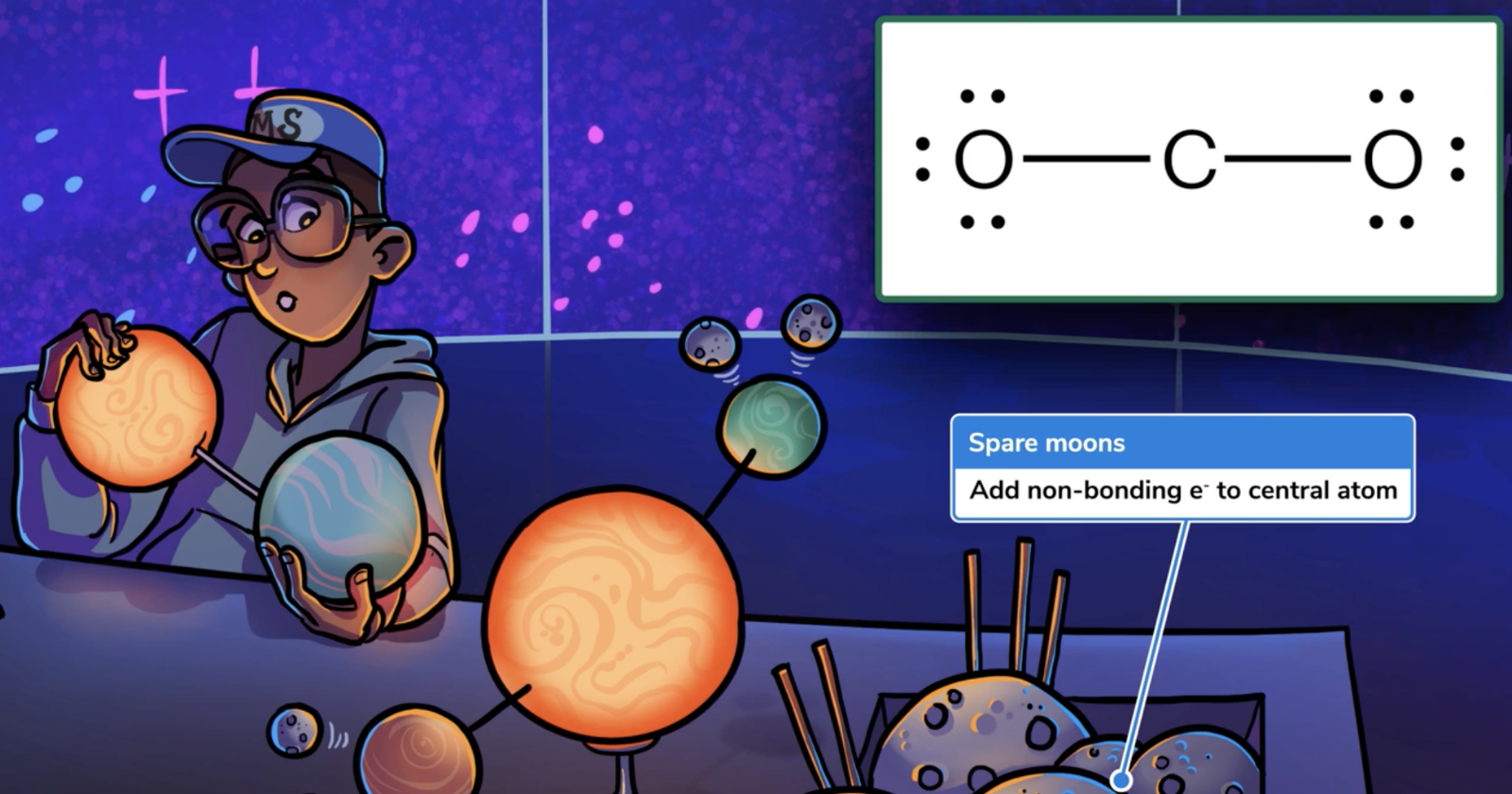
Even the most complex reactions in organic chemistry depend on understanding the basics. We’re talking about things like atomic structure and bonding. So, take some time to review covalent bonds and, while you're at it, ionic and hydrogen bonds too. Sketchy’s general chemistry lessons have you covered. Oh and if you’re feeling really motivated, we’ve got Lewis and resonance structures too.
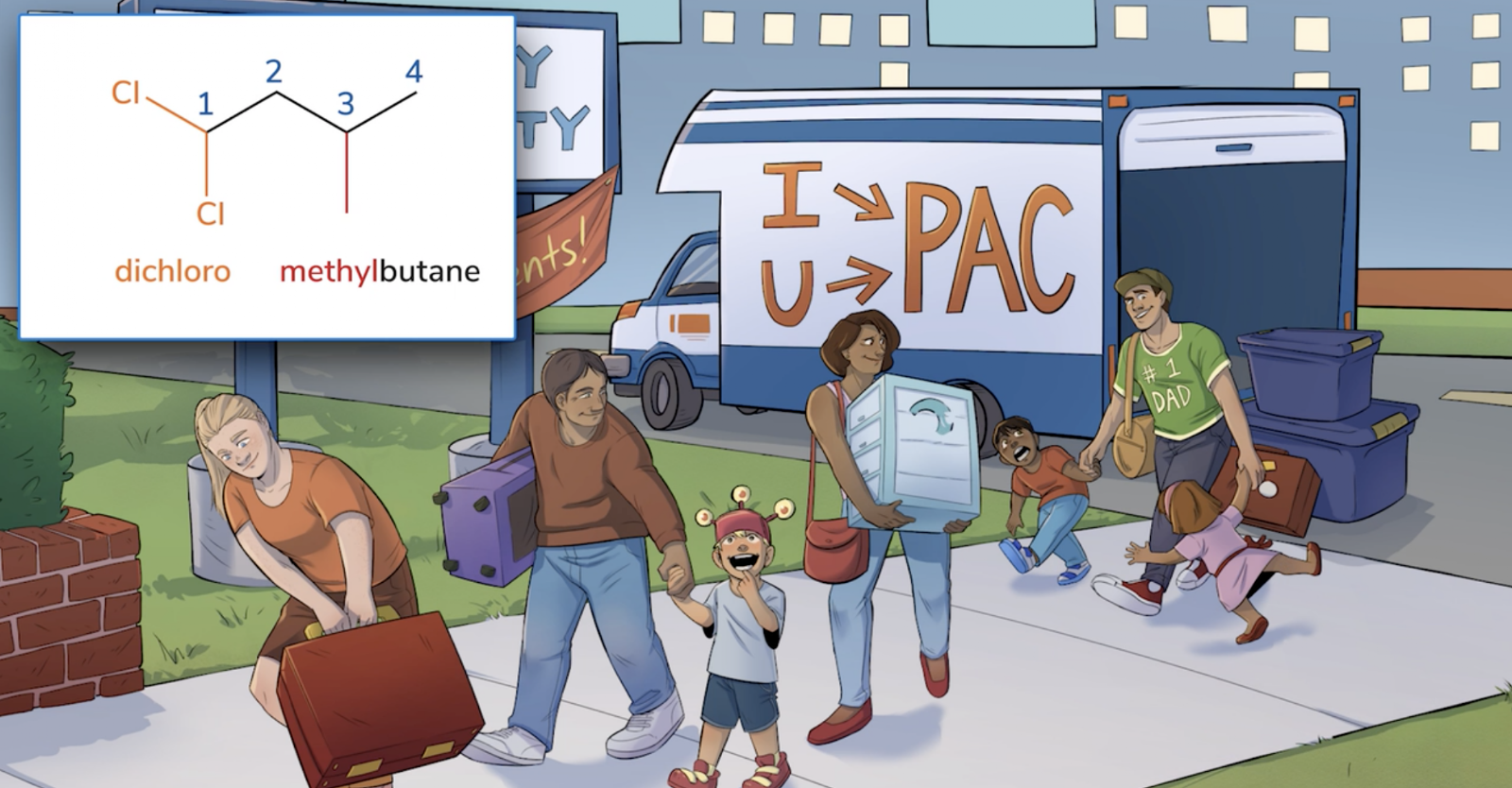
With all the complex compounds and reactions in organic chemistry, things can get confusing fast. So you’ll want to get organized early on with a good understanding of the naming conventions of organic molecules and functional groups. When it comes to nomenclature there’s a lot of rules. But don’t sweat it, we made a couple of lessons to simplify things:
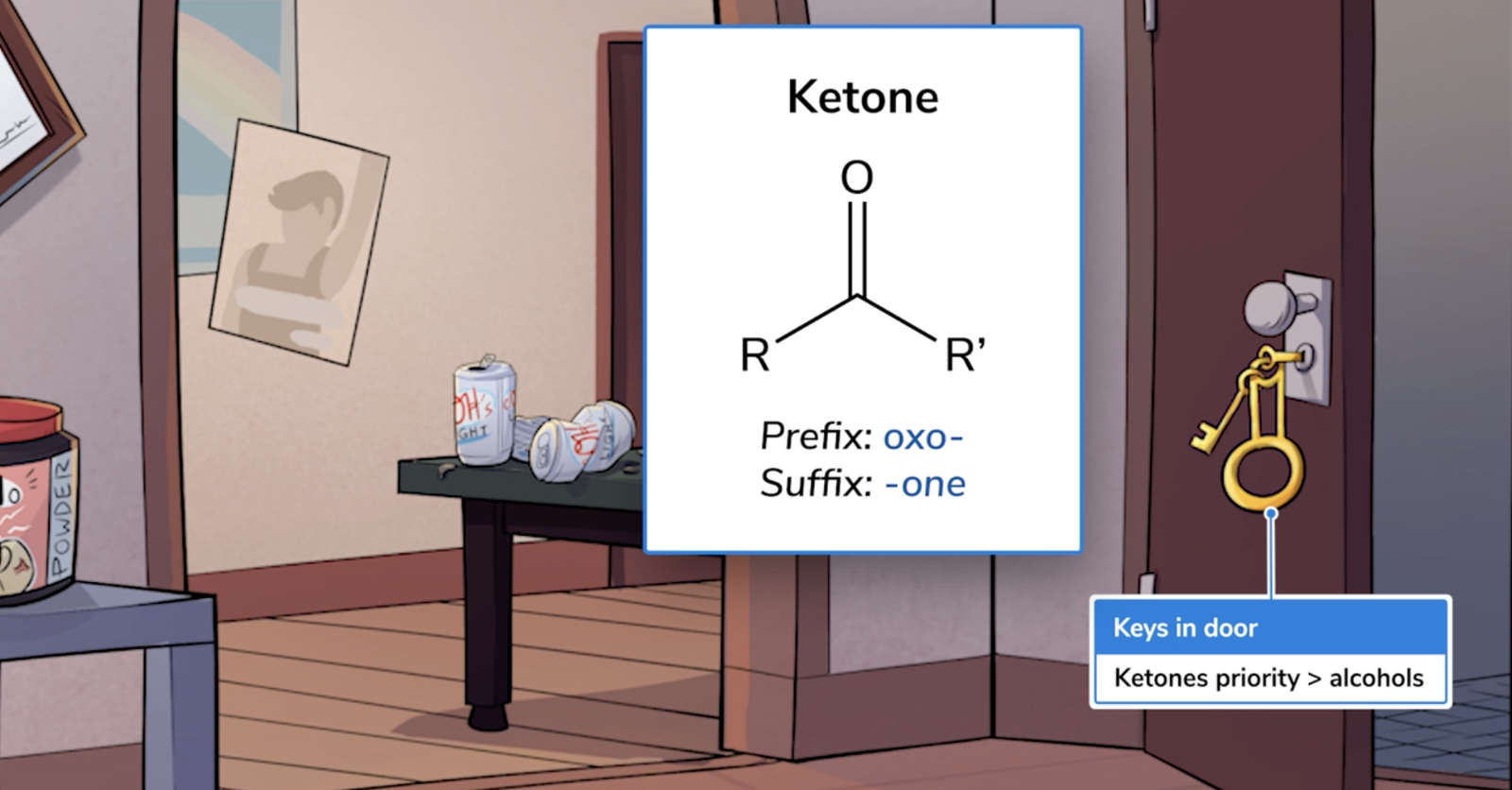
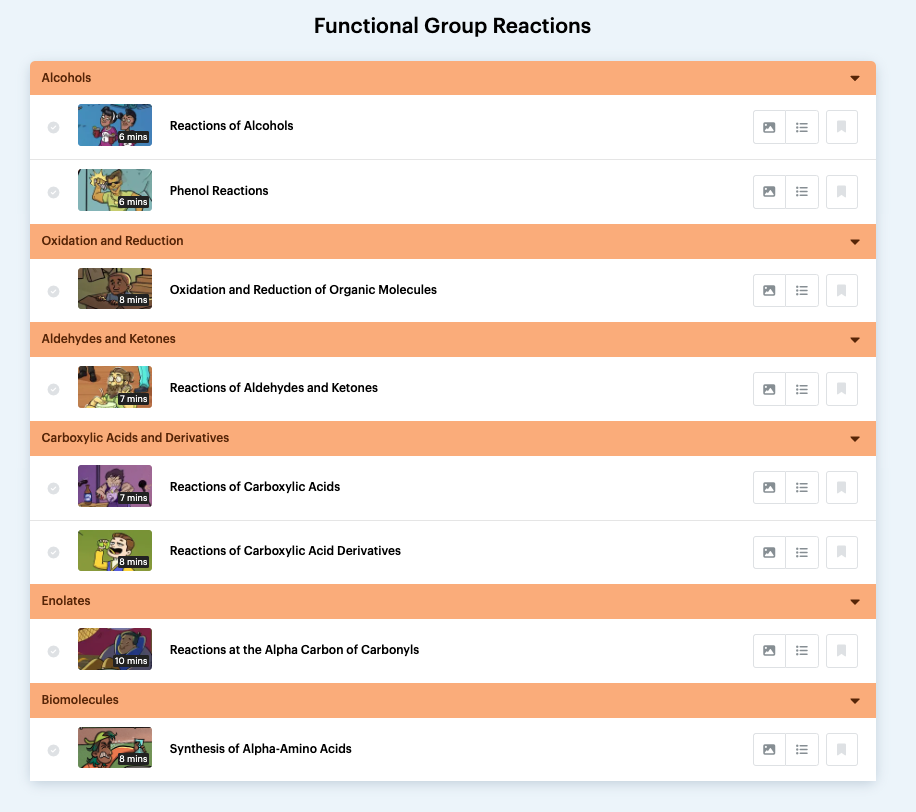
It’s not just about vocab though, functional groups like alkenes, esters, and amines determine a molecule’s chemical properties and reactivity. So yeah, you’re going to want to get really familiar with the different functional groups in organic chemistry. The good news—we have an entire unit on functional group reactions.
Get Visual
Understanding reactions in organic chemistry is a visual process, after all—atoms and molecules are interacting in three-dimensional space!
To help you really see what’s happening, consider getting a molecular model kit. With these kits, you can build molecules and create physical representations of the structures in your textbooks. Actually holding a molecule in your hand can also help clarify concepts like isomers and enantiomers. With this knowledge in hand, check out our two-part series on stereochemistry. Nothing beats studying in the college cafeteria!
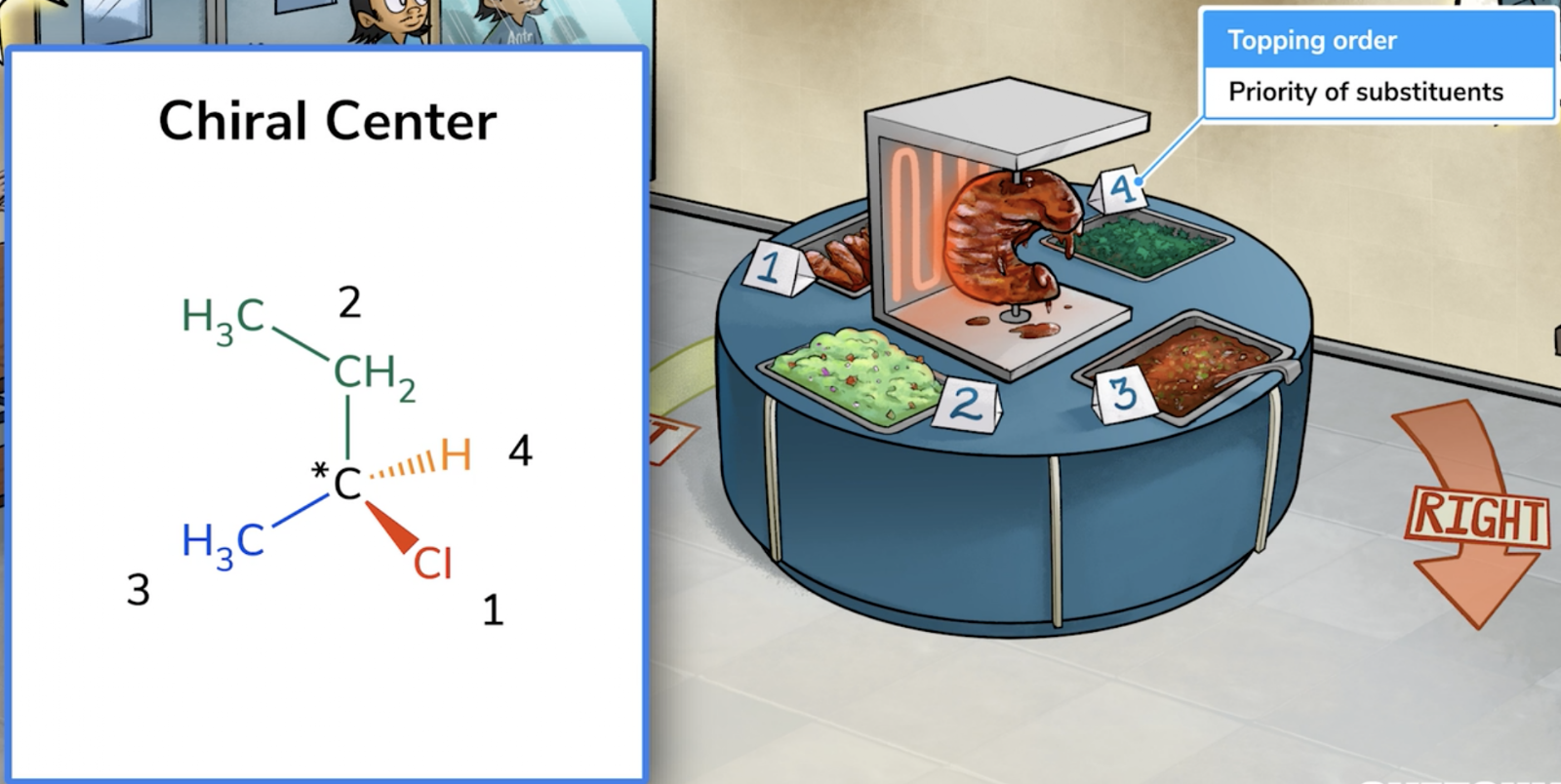
Once you’re seeing organic chemistry in 3-D, Newman and Fischer projections will make a lot more sense. Practice drawing these and you’ll be ready for all kinds of reactions!
Study Smart
Organic chemistry can be intimidating, but don’t let that stop you from getting help. Your professors and teaching assistants are there to support you. Take advantage of their expertise!
Attend office hours, make the most of your lab time, and work through challenging problem sets with your teaching assistants. Don’t move on from a concept until you feel really comfortable and confident with it!
If you're struggling, chances are most of your classmates are as well. Consider forming a study group, or checking with your chemistry department or college resource center about options for extra tutoring.
One benefit of forming a study group is the opportunity to create a shared study schedule. This can help you stay on track, keep each other motivated, and ensure that you cover all the key concepts. Just be sure to divide your study sessions into manageable chunks, and plan breaks.
By studying smart the first time you learn organic chemistry, you’ll be better off when it comes time for organic chemistry review and studying for the MCAT.
Learning organic chemistry using Sketchy’s visual-learning techniques can help you store away this complex information the first time you study it. Check out Sketchy’s organic chemistry lessons and our entire MCAT review course for free here!
