


Are Pre-Med Opportunities Created Equal?


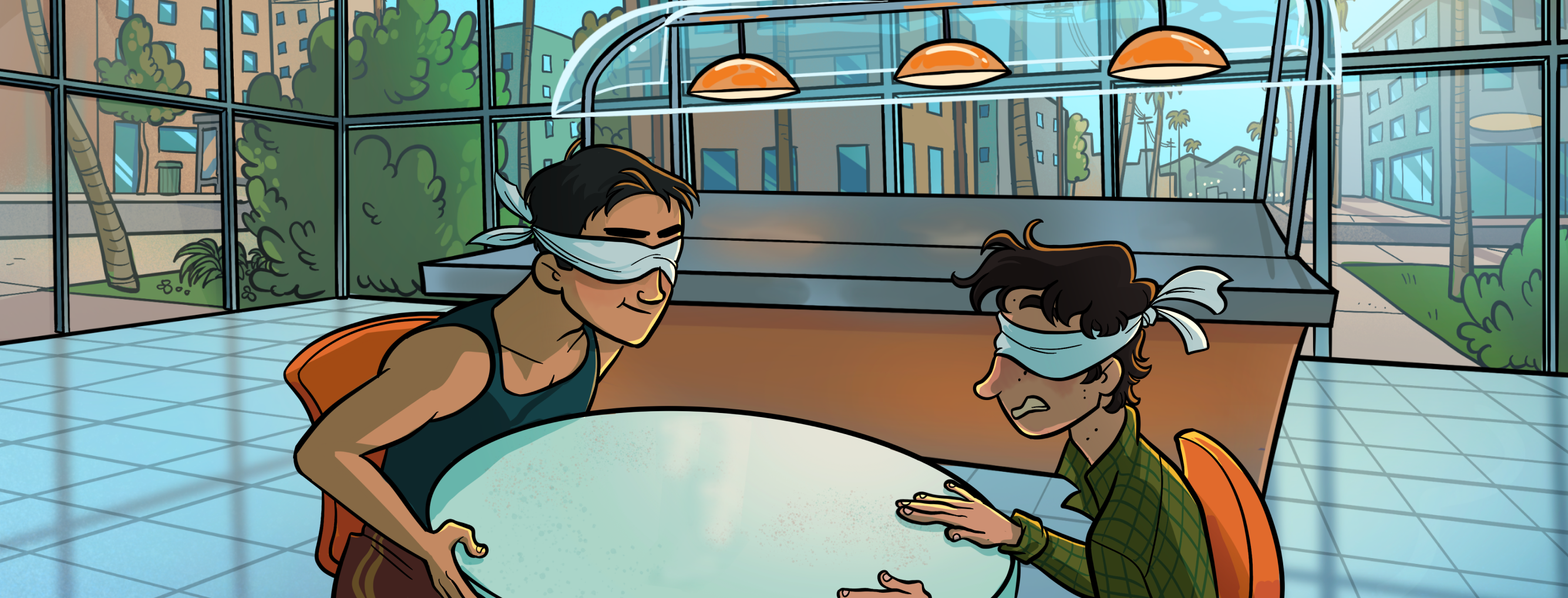

Pre-med opportunities are not equally distributed, and acknowledging that reality is the first step toward navigating it strategically. Students who lack institutional advantages can build competitive applications through intentional outreach, non-traditional clinical roles, and community-based research opportunities. The path may look different, but it is navigable.
The medical school application process is very rigorous and extensive: Not only are you evaluated on the basis of your grades, but also on your familiarity with the medical profession in terms of your exposure to Pre-Med experiences—namely, volunteer opportunities, basic science or clinical research, and on-the-job experiences in the clinical setting. But given that there’s a limited amount of time to squeeze all of this in on top of schoolwork/studying/life, we often found ourselves wondering: Are all Pre-Med experience opportunities created equal? Is one valued more than the other when it comes to medical school applications?
Wellllll… it depends. Technically, all these types of experiences matter, because they reflect a range of values and interests that admissions committees want to see in prospective students. Volunteering—whether it’s in something healthcare-related, or with an organization that deals with another societal issue of importance—showcases that you have empathy, compassion, and a commitment to service, which are necessary qualities for any future doctor. Pursuing research demonstrates that you have the critical thinking skills, academic rigor, and understanding of the scientific method, as well as a general passion for science and medicine in general. And taking on clinical shadowing opportunities, or having experience as a medical scribe or an EMT, showcases that you’ve had the opportunity to interact with different kinds of patients, and that you understand the demands on healthcare providers in an actual clinical setting.
Beyond being a competitive applicant for medical schools, it’s also important to pursue these opportunities to see how these experiences resonate with you, and treat it as a time to explore who you are as a person and what matters to you as you start your journey in medicine. You are guaranteed to be a better physician for it.
Volunteering
There are tons of volunteer opportunities available to students, which can be further classified into clinical volunteering, and non-clinical volunteering. Some of the most common volunteer opportunities include volunteering at your local hospital or clinic as a patient transporter, an emergency department volunteer, or a COVID testing volunteer. These opportunities are great because you get a leg-up on getting exposed to patients and gain an understanding of the healthcare system.
But you can still demonstrate a commitment to the community and to serving others through non-clinical opportunities. This includes volunteering at a homeless shelter or an animal shelter, tutoring individuals with limited access to quality education, or helping out your favorite local non-profit organization, like at Habitat for Humanity, Big Brothers/Big Sisters, or humanitarian aid organizations like the International Rescue Committee.
Research
Everyone is going to tell you: You need to have RESEARCH! But are they right?
Well…yes and no. We want to start out by saying that you should be genuinely interested in whichever extracurriculars you choose, because the more you’re interested in anything, the more time and effort you’ll likely put into it, because it won’t really feel like time or effort (or at least less effort-y!).
As a Pre-Med, you’ve probably already figured out you like science and knowing how things work, so chances are there’s something you want to know more about. That’s the whole gist of research! And lest you cower at the thought of a lab bench and pipettes, rest assured that not all research involves bench work. And if the vision of spinning down samples in a table-top centrifuge is making your heart flutter, then you can do that too! That’s the best part about research: it’s necessary for all types of science and discovery, so it comes in all shapes and sizes.
If you don’t know exactly what you want, search around your local universities and hospitals to see if any labs are conducting research in a subject piques your interest. Shoot them an email! They all tend to be pretty responsive and are used to students rotating through their labs. You’re there to help and learn, and who doesn’t love both of those things?
But even better than potentially furthering the realms of human knowledge (nbd btw), learning how to conduct research is going to serve you immensely for your life as a doctor. It’s practically guaranteed that in medical school, you’re going to have to present a research project. Ditto for residency (and depending on which residency, it may be expected that you have multiple research projects). Getting a lay of the land now will only help you when there’s more pressure to get a project together and to publish. Plus, you never know where a Pre-Med research project may take you! Maybe you’ve just found your new passion and all those pipettes are actually going to lead to a life of becoming a big-time geneticist, or maybe you’ll do research quality improvement measures for hospitals and help overhaul a system! The possibilities are endless, as are the upsides, so we have to say, research gets a big “yes” from us over here at Sketchy!
Clinical Experiences
When we talk about clinical experiences, these are experiences that are relatively more intensive than clinical volunteering, and requires a more involved level of interaction with doctors, nurses, and patients; these include physician shadowing, or working as a Medical Scribe or as an Emergency Medical Technician, among other roles!
When it comes to shadowing, one of your best bets is to see who you know is a doctor within your family or friend circle. You can contact them and ask if they’re open to having someone shadow them, and chances are, they’re open to it! If that route doesn’t work, see if your school has a relationship with local hospitals and if they can connect you to someone. Additionally, hospitals or clinics may already have pre-established shadowing programs, or you can research a profession you’re interested in shadowing, and directly contact a doctor in that field and express your interest!
Becoming an EMT or a medical scribe is also an incredible opportunity that will give you a more in-depth understanding of the healthcare field and a headstart in getting familiar with what it means to be responsible for your patients. As an EMT, you’ll learn to medically assess and stabilize patients and operate in high-stress medical situations. As a medical scribe, you get to be part of a healthcare team, become familiar with medical record keeping, and learn common medical terminology. Either role will give you a lot of exposure to patients and provide a deeper understanding of what it means to be a doctor!
Overall, there is no real “right answer” to whether volunteering, research, or clinical experiences are more important as a Pre-Med. We encourage you to seek opportunities in all three of these categories, and find something that is rewarding and fulfilling for you!
