


How to Study Biochemistry in Medical School


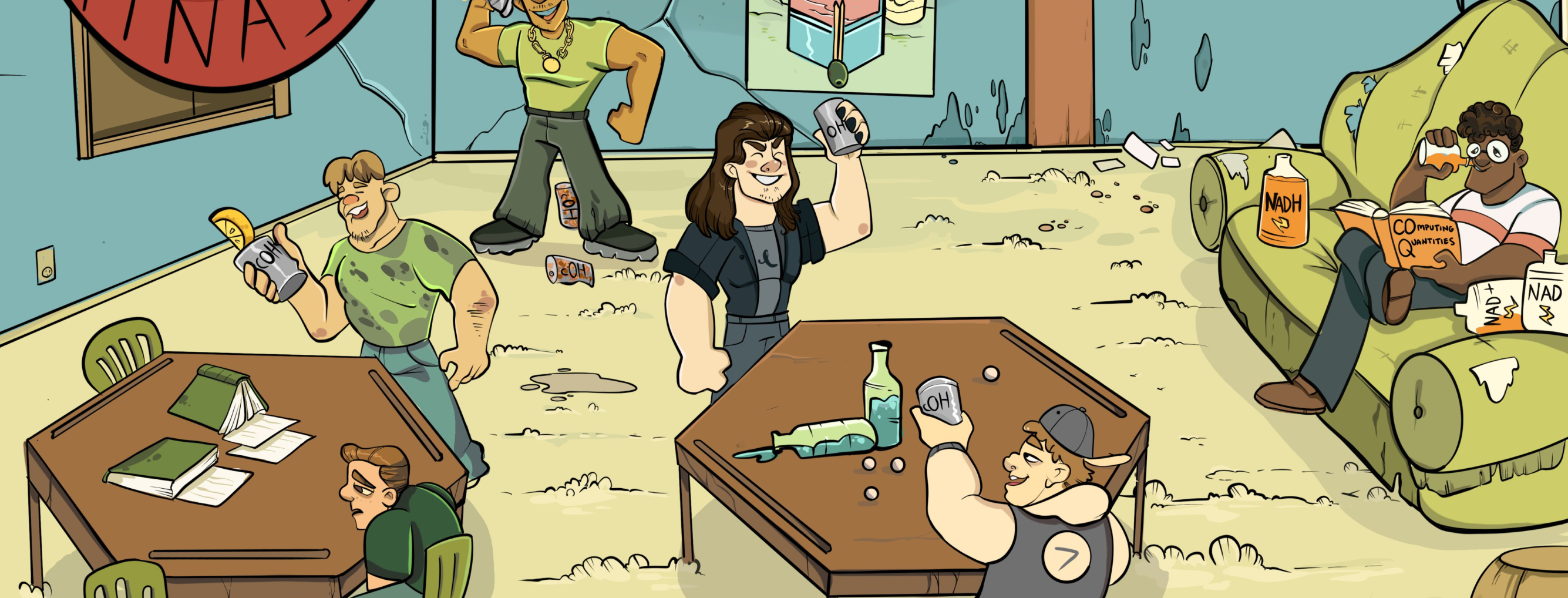

Biochemistry rewards students who understand the logic before they memorize the details. This guide walks through how to approach metabolic pathways, enzyme kinetics, and molecular biology with strategies built for retention, not just the next exam.
Biochemistry is where most medical students hit their first wall. The pathways feel endless, the enzymes blur together, and it's hard to know what actually matters versus what's just textbook filler. If you're staring down glycolysis, the TCA cycle, and oxidative phosphorylation all at once and wondering how any of this connects to being a doctor, you're not alone.
The honest answer is that it connects more than it feels like it does right now. The mechanisms you're learning in this block show up again in endocrinology, metabolism, pharmacology, and cancer biology. But here's the thing: you don't need to see all of that to study this block well. You just need to understand the logic underneath the content before you try to memorize it.
That's what this guide is about. What to prioritize, what to skip, how to use Sketchy effectively, and the strategies that made this block manageable when it felt anything but.
Introduction
This foundational block focuses on the biochemical and molecular underpinnings of human physiology. You’ll explore how cells function, how macromolecules interact, and what happens when those processes break down. While it can feel abstract at times, this content is essential for understanding later systems like endocrinology, metabolism, and even cancer.
Core topics usually include:
- Protein structure and enzyme kinetics
- DNA/RNA synthesis and gene expression
- Cell cycle regulation and cancer biology
- Metabolic pathways (glycolysis, TCA, oxidative phosphorylation, etc.)
Membrane transport, receptors, and signal transduction - Lab techniques (e.g., PCR, electrophoresis, Western blot)
Key diseases/disorders often emphasized:
- Inborn errors of metabolism
Genetic disorders (e.g., cystic fibrosis, Marfan syndrome) - Mitochondrial diseases
- Enzyme deficiencies
How I Studied for This Block
This was a content-heavy, detail-oriented block. I approached it by breaking down dense topics into manageable chunks, using a mix of visual aids and active recall. I created a weekly schedule based on pathways — focusing one day at a time on a single process (e.g., glycolysis or DNA replication). As the block progressed, I spent more time doing practice questions and concept mapping instead of passive review.
Unique Study Strategies That Worked
Biochemistry is one of the few blocks where passive review actively works against you. The content is too interconnected to absorb through re-reading alone. The strategies that worked were ones that forced active engagement with the material, either by building it from scratch or explaining it out loud.
- I used large pathway maps (downloadable from online med resources) and filled them in progressively, treating them like living documents.
- “Teach-back” sessions with classmates helped clarify processes like DNA replication or oxidative phosphorylation.
How to Use Sketchy Effectively
Sketchy was surprisingly helpful for this block — especially for metabolism and coenzymes.
Key Sketchy videos I found useful:
- Molecular Biology
- Vitamins and their deficiencies
- Enzyme-related diseases (e.g., glycogen storage disorders, Tay-Sachs) I watched Sketchy after reading through the pathway once — this helped me attach the visuals to what I already knew, rather than passively watching and forgetting.
- The entire “Biochemistry: section is fabulous, and its worth checking out
Other Helpful Resources
The goal with resources in this block is to use the minimum number that cover the maximum ground. Boards and Beyond handles conceptual clarity, Sketchy handles visual retention for pathways and enzyme diseases, and Anki handles long-term recall. Textbook chapters are detailed but slow, and the depth they offer rarely matches what shows up on exams.
- Boards & Beyond – Clear explanations of molecular biology and metabolism
- NinjaNerd - Good visual representation of pathways, and disorders
- First Aid – Good for summary tables and integrating USMLE-style facts
What I’d skip: long textbook chapters. Too dense, too slow.
Studying With vs. Without Prior Knowledge
I had taken biochemistry in undergrad, but I still had to relearn a lot. If you’re seeing this content for the first time:
- Focus on understanding mechanisms, not just memorizing them
- Use analogies — for example, think of enzymes as “assembly line workers” with specific jobs
- Don’t try to memorize pathways cold; understand the flow and logic first
Biggest Challenges and How to Overcome Them
The toughest part for me was metabolism — specifically keeping track of what regulates each pathway (activators, inhibitors, hormones).
- Creating a single regulation summary sheet with color-coded arrows
- Revisiting Sketchy and Bootcamp explanations on feedback loops
- Drawing the full metabolic pathways from memory
Tips and Tricks
A few high-yield habits that paid off across the entire block, and kept coming back during board prep later:
- Learn the difference between similar terms early (e.g., transcription vs. translation)
- Memorize the essential enzymes and rate-limiting steps — they’ll show up again and again (especially on boards)
- Practice explaining things out loud — if you can teach it, you know it
- Use practice questions to identify your weak points — especially for pathways that all start sounding the same.
Biochemistry is one of those blocks that rewards a slower, more deliberate approach. You won't out-memorize your way through it. But once the logic clicks, the rest of medical school starts to make more sense, because everything ties back to these mechanisms.
If you want a resource that makes biochemistry visual, sticky, and actually memorable, Sketchy's Biochemistry section was built exactly for this. Try it free and see how much faster pathways stick when there's a story attached.
